Top 10 Silk Flower Import Suppliers for Global Buyers?
Choosing the right supplier requires more than comparing catalog photos and quoted prices. This guide examines the Top 10 Silk Flower Import Suppliers for Global Buyers through practical purchasing criteria. These include product realism, material consistency, manufacturing capacity, communication, and export experience. A supplier may offer beautiful peonies, roses, or eucalyptus stems, yet fail during bulk production. Small details matter. Petal edges, stem wires, color matching, and protective packaging can affect customer satisfaction.
The review also considers minimum order quantities, sample policies, production lead times, and shipping coordination. Reliable suppliers should explain these terms clearly and provide current product information. Buyers should request physical samples before approving large orders. A sample can reveal loose petals, uneven dyeing, strong odors, or weak stems that photographs often hide. Factory audits, quality-control records, and references from established buyers can add useful confidence. Still, documentation is not proof of perfection.
No ranking is permanent. Supplier performance can change with seasonal demand, staffing, raw-material costs, or logistics pressure. That limitation deserves attention. Our comparison therefore aims to support careful evaluation, not replace buyer judgment. The strongest Silk Flower Import partner should match your market, design standards, budget, and delivery schedule. Ask precise questions, record every specification, and confirm final details in writing. That disciplined approach can reduce surprises when cartons arrive at your warehouse.
What Are Silk Flowers and Why Do Global Buyers Import Them?
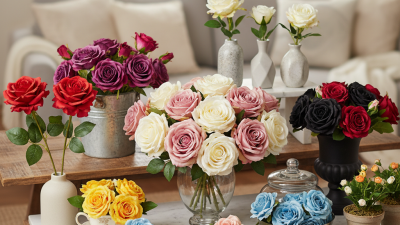
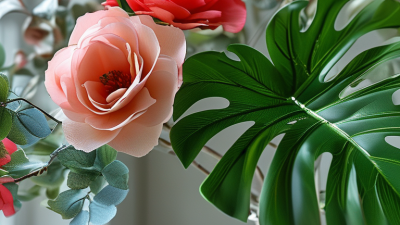
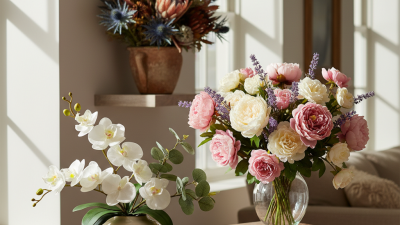
Silk flowers are decorative blooms made from synthetic fabrics, not usually natural silk. Polyester, nylon, and polyurethane are common materials. Modern petals may show soft gradients, tiny veins, and flexible edges. These details create a more convincing appearance under hotel lighting or daylight. The stems often contain wire, plastic, or paper wrapping for easier shaping.
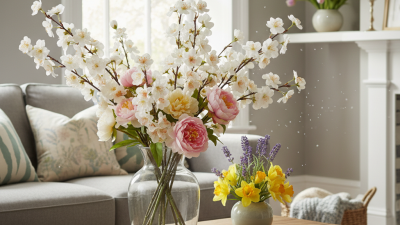
Global buyers import silk flowers because they offer stable decoration throughout the year. Fresh flowers need water, cooling, and frequent replacement. Artificial flowers can remain arranged for months with simple dusting. Retailers use them for home décor, weddings, restaurants, offices, and seasonal displays. Event planners also value consistent colors across large venues. Supply is easier to plan when weather does not affect availability.
However, realistic photos can hide weak stitching or excessive plastic shine. Buyers should request physical samples before placing large orders. Check petal color, stem strength, odor, packaging, and colorfastness. A reliable supplier should provide material details, carton measurements, production timelines, and clear inspection terms. Fire-safety information may also matter for commercial interiors. Some flowers look excellent online but arrive compressed or uneven. That risk deserves attention. Importers should compare samples, not promises, and leave room for quality improvements after the first shipment.
Top 10 Silk Flower Import Suppliers by Product and Market Strength
Top 10 Silk Flower Import Suppliers for Global Buyers
Top 10 Silk Flower Import Suppliers by Product and Market Strength
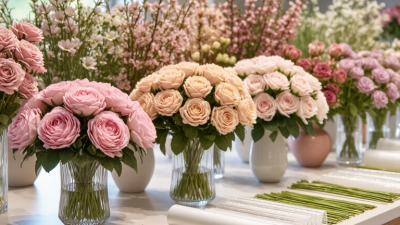
A practical supplier shortlist should measure product depth, export experience, and market fit. The strongest supplier for premium silk roses usually serves wedding planners, hotels, and luxury retailers. Hydrangea specialists often perform well in home décor markets, where large blooms fill vases quickly. Orchid suppliers attract hospitality buyers with realistic petals and durable stems. Peony suppliers suit seasonal collections, although color consistency can vary between production batches.
Hanging-vine suppliers support restaurants, offices, and event venues needing lightweight vertical décor. Silk foliage suppliers provide eucalyptus, fern, and palm designs for wholesalers seeking year-round items. Custom arrangement suppliers serve importers that need private packaging, specific colors, or matched collections. Budget bouquet suppliers compete in supermarkets and discount home stores, where packaging and shipping efficiency matter greatly. Their lower prices may reflect thinner fabric or simpler wiring.
UV-resistant flower suppliers are valuable for covered outdoor spaces and temporary events. Miniature-stem suppliers focus on craft shops, gift stores, and small floral studios. These ten supplier types show strength through different products and markets, not one universal ranking. Experienced buyers should request close-up samples, stem measurements, carton photos, and colorfastness details. Ask for production timelines, too. A polished catalog can hide uneven quality. I have found that mixed sample orders reveal more than a single perfect arrangement. No ranking stays permanent. Freight costs, seasonal demand, and rejected samples can quickly change the best choice.
What Global Buyers Should Check Before Choosing a Supplier
Choosing among the top 10 silk flower import suppliers requires more than comparing catalog photos. Global buyers should request physical samples and inspect petal texture, stem strength, color consistency, and packaging quality. A realistic sample should survive handling, not only look attractive under studio lighting.
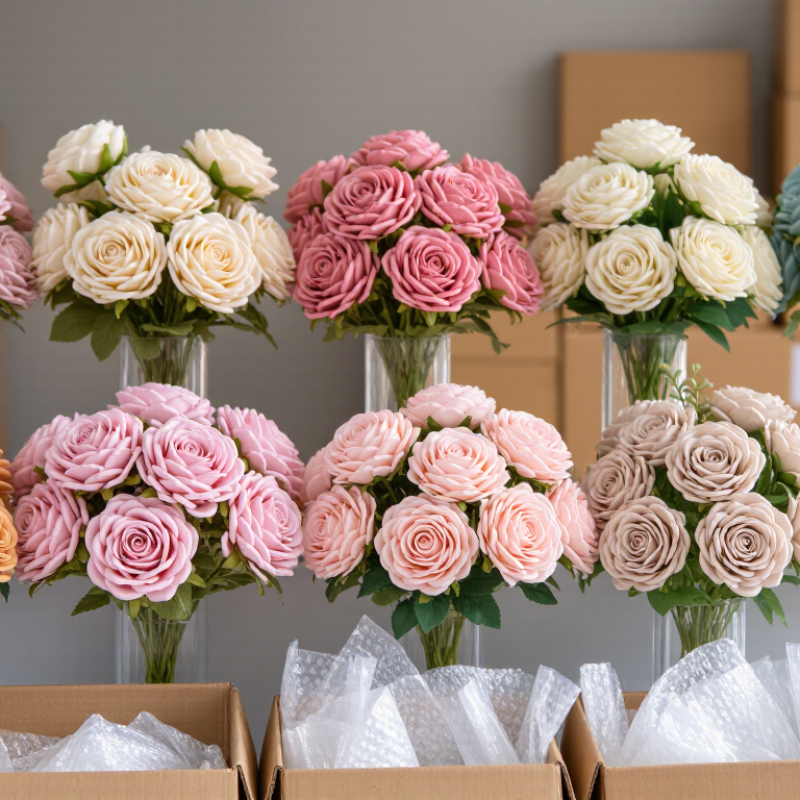
Ask each supplier for material details, production capacity, minimum order quantities, lead times, and quality-control procedures. Clear records matter. Check whether the supplier can provide factory information, inspection reports, export documents, and references from comparable buyers. Packaging deserves close attention too. Crushed petals, bent stems, and moisture damage can turn a profitable order into avoidable waste.
Do not overlook communication. Reliable suppliers answer technical questions directly and report delays early. Their quotation should separate product costs, packaging, shipping terms, and possible inspection fees. Buyers should also verify colorfastness, odor, and any applicable product-safety requirements in the destination market. Requirements differ widely.
A polished catalog can mislead. One common mistake is approving samples without testing packed cartons. Request a small trial order before committing to large volumes. Compare actual delivery time with promised timing. Some suppliers may offer lower prices but weaker consistency. That difference becomes expensive on retail shelves. Keep written specifications, approved sample photos, and correction records. Vague agreements create difficult disputes later.
Top 10 Silk Flower Import Suppliers for Global Buyers
What Global Buyers Should Check Before Choosing a Supplier
The chart presents a practical 10-point due-diligence framework. Buyers should verify product specifications, samples, quality-control procedures, compliance documents, production capacity, lead times, packaging, landed costs, communication, and after-sales support before placing an import order. The scores represent the number of recommended verification items in each category, not company rankings or market-share data.