How to Choose the Best Fake Flowers for Your Home Decor?
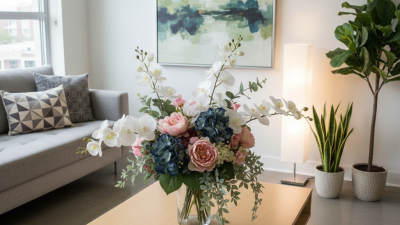
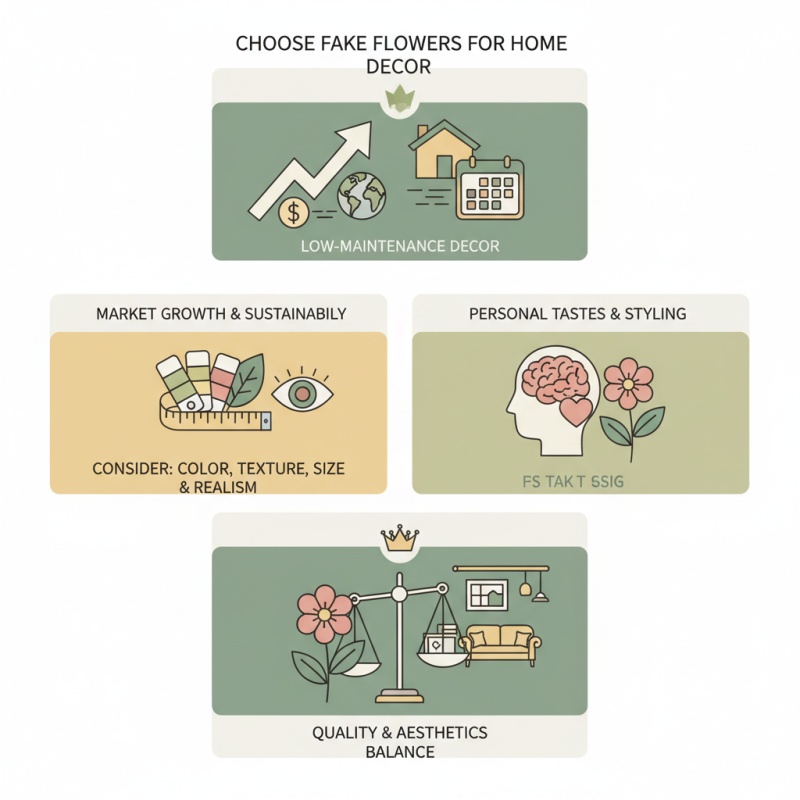
In recent years, the demand for fake flowers has significantly increased, as homeowners seek low-maintenance decor options. According to a report by Grand View Research, the artificial flower market is projected to reach $2.3 billion by 2025. This growth reflects a wider trend towards sustainable living and convenience. Homeowners are increasingly choosing fake flowers for their aesthetic appeal without the worry of wilting.
Choosing the right fake flowers for home decor requires understanding your space. Consider factors like color, texture, and size. High-quality faux flowers can mimic real blooms closely, providing a vibrant and long-lasting alternative. However, not all fake flowers are created equal. Some may lack realism, and it’s essential to evaluate their quality before purchasing.
Reflecting on personal tastes and styling can enhance your decor. While fake flowers are a practical choice, poor selections may undermine the overall ambiance. Balancing quality and aesthetics is key. Understanding your preferences will lead to better choices, ensuring that your decor remains inviting and elegant. Choosing fake flowers should enhance, not detract from, your home’s beauty.
Choosing the Right Material for Fake Flowers in Home Decor
When selecting fake flowers for home decor, the choice of material is crucial. High-quality faux flowers often use silk, polyester, or plastic. A study by the American Society of Floral Designers suggests that silk flowers remain a top choice for their realistic appearance and soft texture. However, polyester has gained traction for its durability and versatility. Understanding the pros and cons of these materials can elevate your decor.
Silk flowers are delicate and can mimic real blooms wonderfully. Yet, they may fade over time when exposed to sunlight. On the other hand, polyester flowers are more resilient. They hold their color better and can withstand various environmental conditions. For those looking for an easy-care option, plastic flowers can be practical. However, they often lack the lifelike details found in silk options.
Tips: Always check the construction quality. Examine the petals for texture and realism. Choose colors that complement your home’s palette. Avoid overly bright shades, as they can appear artificial. Lastly, remember that maintenance is still needed. Dust your faux arrangements periodically to keep them looking fresh. Investing time in these choices ensures a more authentic feel in your space.
How to Choose the Best Fake Flowers for Your Home Decor?
| Material |
Realism |
Durability |
Price Range |
Best For |
| Silk |
High |
Moderate |
$20 - $100 |
Living Rooms, Bedrooms |
| Plastic |
Low |
High |
$10 - $50 |
Outdoor Spaces, Kids' Rooms |
| Paper |
Moderate |
Low |
$5 - $30 |
Table Centerpieces, Seasonal Decor |
| Foam |
Moderate |
High |
$15 - $70 |
Floral Arrangements, Weddings |
| Dried Flowers |
High |
Moderate |
$25 - $80 |
Rustic Decor, Bohemian Styles |
Understanding Different Types of Artificial Flowers Available
When choosing fake flowers for home decor, it's essential to know the various types available.
Silk flowers are a popular choice due to their silky textures and vibrant colors.
They mimic real flowers closely. However, they can fade over time and may require careful handling to avoid crushing petals.
Another option is foam flowers, which are lightweight and more durable.
These flowers come in various shapes and sizes. They often have a more plastic feel but are more resilient to wear and tear.
Consider your environment when selecting the type as moisture can affect certain materials.
Tips: Choose flowers that fit your decor theme. If your home has a rustic vibe, opt for wildflower arrangements.
For a modern aesthetic, go for minimalist styles. Don't hesitate to mix and match different types to create unique arrangements.
Think about the season too. In spring, bright colors work well, while autumn calls for warmer tones.
Always keep the maintenance in mind. Some materials collect dust easily, requiring regular cleaning to keep them fresh.
Evaluating Realism: How to Assess the Quality of Fake Flowers
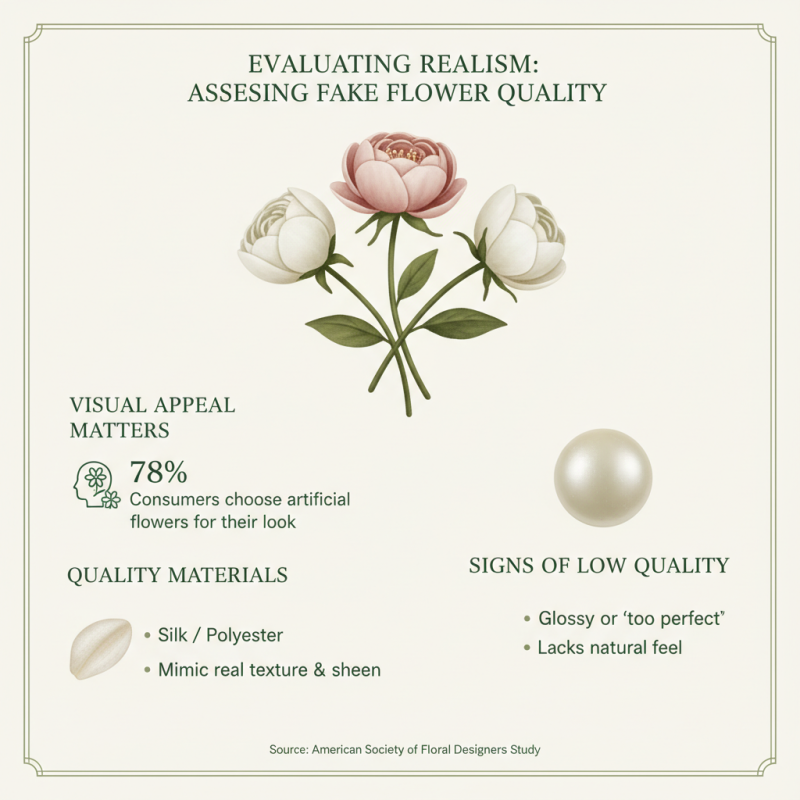
When selecting fake flowers for home decor, realism is crucial. A study from the American Society of Floral Designers found that 78% of consumers choose artificial flowers for their visual appeal. To assess quality, start by examining the materials. High-quality faux flowers are often made from silk or polyester, which mimic the texture and sheen of real petals. Cheaper options may appear glossy or too perfect, indicating they might lack realism.
Next, observe the details. Look for veins on leaves and realistic color gradations. Flowers that have slight imperfections, such as uneven petal edges or varied hues, tend to look more authentic. A report from the National Retail Federation suggests that 65% of shoppers prefer flowers that mimic natural imperfections. Even in our quest for the perfect decor, it's essential to embrace the idea that not every fake flower will meet these standards. Some may feel overly rigid or lack movement, which can disrupt your desired aesthetic.
Lastly, consider the size and shape of flowers. Oversized blooms may appear unnatural alongside standard home decor. It's advisable to evaluate how the scale complements your space. Reflecting on these aspects can enhance your selection process, ensuring that your chosen flowers bring beauty to your home while still resonating with authenticity.
Selecting Colors and Styles to Match Your Home Aesthetic
Choosing the right colors and styles for fake flowers involves more than just picking what looks pretty. It’s essential to consider your home aesthetic. Start by examining your existing decor. Are your walls light or dark? If you have a neutral palette, vibrant flowers may add the perfect pop of color. Conversely, if your space is filled with bold patterns, more subdued flowers might complement rather than clash.
Remember that not all fake flowers are created equal. The quality of materials and construction affects how natural they look. Opt for flowers that closely imitate real ones. Pay attention to details like texture and petal shape. For a cohesive look, select blooms that echo the prevailing theme in your home. Rustic spaces may benefit from wildflowers, while modern aesthetics might call for sleek, minimalist designs.
Also, consider seasonality. Fake flowers can look artificial if chosen haphazardly. An arrangement for spring shouldn’t feature autumn foliage. Mixing styles can be fun but tread carefully. An overly eclectic mix can fail to harmonize. Creating a balanced display requires trial and error, so don’t hesitate to experiment. Trust your intuition; sometimes, a seemingly mismatched arrangement might surprise you.
Care and Maintenance Tips for Keeping Fake Flowers Looking Fresh
Maintaining the appeal of fake flowers is crucial for enhancing your home decor. Regular care can keep them looking fresh and vibrant. Start by dusting them weekly with a soft cloth. This prevents dust buildup, which can dull their color. Pay attention to the types of materials used in your silk or plastic flowers. Some may attract more dust than others.
Consider placing them away from direct sunlight. Too much sun can fade their colors over time. Use a mild soap solution and a damp cloth to wipe them down occasionally. Rinse carefully and allow them to dry completely. This process can revive their appearance, but it requires attention to detail.
When arranging fake flowers, vary their height and position for a natural look. Take a moment to evaluate their placement regularly. Sometimes, a small adjustment makes a significant difference. If you notice any wear, like frayed petals or bent stems, don’t hesitate to replace or repurpose them. This reflects a commitment to creating a vibrant living space.