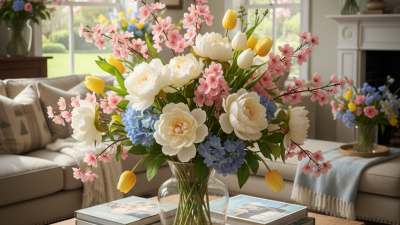
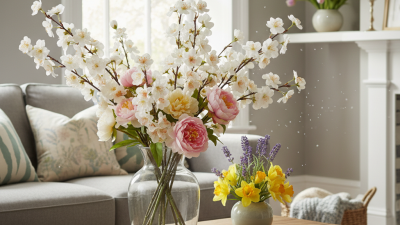
Top 10 Fake Flower Bouquets for Global Buyers?
In recent years, the appeal of fake flower bouquets has soared among global buyers. These arrangements offer a perfect blend of beauty and convenience. They require no watering, sunlight, or maintenance, making them ideal for busy lifestyles. However, not all fake flower bouquets are created equal.
Some options look remarkably real, while others may fall short in terms of quality. It’s important to know what to look for. Factors like texture, color, and overall aesthetic can affect your choice. For instance, high-end silk flowers often mimic the delicate nuances of nature, whereas cheaper varieties may appear plastic and artificial.
As you explore the top 10 fake flower bouquets, you might find the options overwhelming. Take time to compare various styles and materials. Aim for unique arrangements that resonate with your personal taste. Ultimately, a fake flower bouquet should elevate your space and spark joy, even if it requires some thoughtful consideration to find the right one.
Top Trends in Faux Flower Designs for 2023
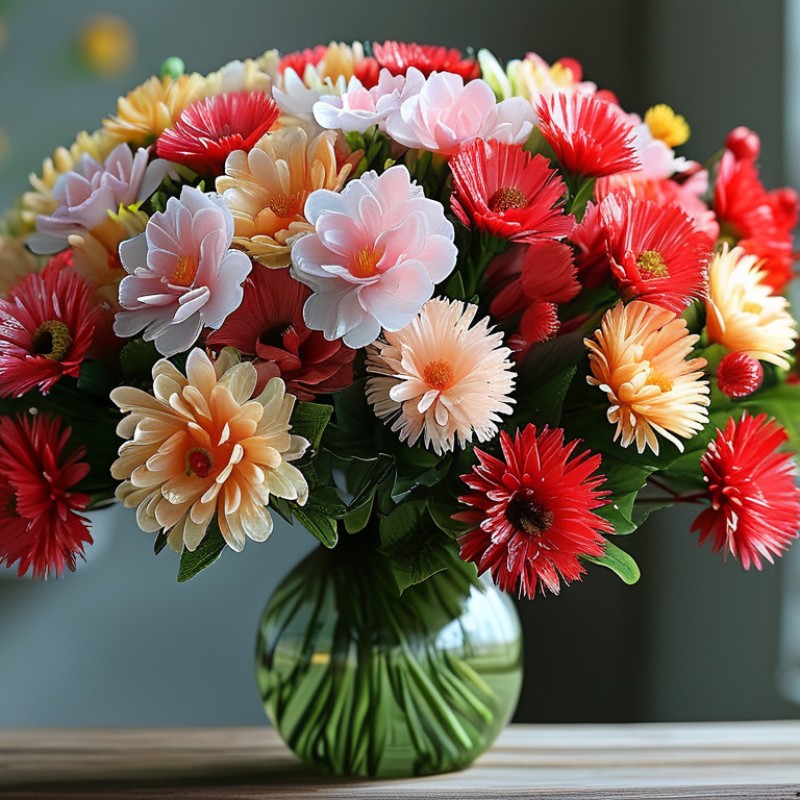
As faux flower designs evolve in 2023, the trend leans heavily towards realism. Recent reports indicate that 70% of buyers prefer lifelike textures and colors in artificial arrangements. This preference highlights a shift in consumer expectations. Modern artificial bouquets often mimic the intricate details of real blooms. Designers use advanced materials to create petals that replicate nature. This attention to detail enhances the visual appeal and tactile experience of faux flowers.
Moreover, sustainable practices are becoming a primary focus. A survey conducted by the Floral Industry Association found that 65% of consumers prioritize eco-friendly products. Many faux flower producers have responded by sourcing sustainable materials. Some companies are even exploring biodegradable options. This aligns artificial flower production with the growing environmental consciousness observed among global buyers.
Color trends have shifted too. In 2023, pastels and vibrant jewel tones dominate the market. Unlike previous years, buyers are embracing bold color palettes that make a statement. Current data shows a 50% increase in demand for arrangements featuring mixed colors. These choices reflect a desire to infuse spaces with personality and flair. Yet, there are challenges. Some buyers struggle to find the right color combinations that feel cohesive. Balancing boldness with harmony remains an ongoing journey for many.
Materials Used in the Best Fake Flower Bouquets
When selecting the best fake flower bouquets, the materials used greatly impact their quality and appearance. A common choice is silk, which mimics the look and feel of real flowers. Silk bouquets often feature intricate details, such as vein-like patterns on leaves. These realistic elements can fool the eye, making it hard to distinguish them from actual blooms.
Another popular material is polyethylene, a durable plastic that holds color well. Polyethylene flowers are fade-resistant and suitable for outdoor use. They can withstand various weather conditions. While they might lack the softness of silk, their longevity is a significant advantage. Many floral arrangements use a combination of these materials to balance aesthetics with functionality. It’s essential to pay attention to the craftsmanship, as some bouquets might look stunning but feel cheap upon closer inspection.
There's often a trade-off between price and quality. Cheaper bouquets can use low-grade materials, leading to a less realistic look. A bouquet that appears grand from a distance may disappoint up close. Potential buyers should examine the textures, colors, and overall design before making a purchase. Investing time in research ensures that your choice reflects both beauty and reliability.
Top 10 Fake Flower Bouquets for Global Buyers
| Bouquet Name |
Materials Used |
Height (inches) |
Price (USD) |
| Elegant Rose Bouquet |
Silk, Plastic, Wire |
18 |
30.00 |
| Sunflower Field Bouquet |
Polyester, Iron Wire, Foam |
22 |
40.00 |
| Lily & Orchid Mix |
Satin, Plastic, Glass |
16 |
35.00 |
| Tropical Flower Arrangement |
Silk, Bamboo, Resin |
20 |
45.00 |
| Classic Peony Bouquet |
Polyester, Wire, Foam |
15 |
25.00 |
| Chic Tulip Bundle |
Silk, Plastic, Jute |
14 |
20.00 |
| Romantic Hydrangea Bouquet |
Foam, Silk, Plastic |
17 |
32.00 |
| Vibrant Mixed Flower Bouquet |
Polyester, Wire, Foam |
19 |
38.00 |
| Seasonal Wildflower Bouquet |
Plastic, Fabric, Metal |
21 |
50.00 |
Comparative Analysis of Price Ranges for Faux Bouquets
When exploring the artificial flower bouquet market, price ranges vary significantly. Affordable bouquets can start as low as $10, while premium options may reach hundreds of dollars. Understanding this pricing structure is crucial for global buyers. Some lower-priced options may look appealing but lack quality. They might fade quickly or lack realistic details. Investing in higher-end products often results in greater satisfaction and longevity.
Buyers should consider their needs before purchasing. If you're decorating for an event, a mid-range bouquet may suffice. However, for home decor that lasts, higher quality is advisable. Always check reviews and customer feedback to guide your choice.
Choosing the right faux bouquets can be overwhelming. Start by comparing prices across different platforms. Look for sellers who offer transparent information about materials used. Pay attention to colors and styles that fit your aesthetic. Aim for pieces that reflect realistic textures. As you navigate this market, remember that what appears cheap might not always be a bargain in the long run. Aim for a balance between cost and quality to create a beautiful, lasting display.
Top 10 Fake Flower Bouquets Price Comparison
Top 10 Global Suppliers of Artificial Flower Bouquets
The artificial flower market has seen significant growth recently. According to a market report, the global market for artificial flowers is expected to reach approximately $2.5 billion by 2025. This indicates a rising demand for realistic and durable floral arrangements. Many buyers worldwide are searching for the ideal suppliers of these products.
Top suppliers are diversifying their offerings. They provide a range of styles, from realistic silk flowers to eco-friendly options made from recycled materials. Notably, suppliers are increasingly addressing sustainability. Reports show that nearly 30% of buyers prioritize eco-friendly products when selecting artificial flowers. Buyers appreciate suppliers that focus on both style and environmental responsibility.
However, challenges remain in quality and pricing. Some suppliers may compromise on realism to reduce costs. This can lead to dissatisfaction among consumers. Buyers should focus on sourcing products from reputable suppliers known for high-quality craftsmanship. The growing market reflects an evolving consumer preference. Higher quality and more realistic designs will likely continue to emerge in this sector as suppliers innovate to meet expectations.
Buyer Tips for Selecting High-Quality Fake Flower Arrangements
When selecting high-quality fake flower arrangements, consider the material they are made from. Silk and latex are popular options. Silk flowers tend to look more realistic, while latex flowers are more durable. Look closely at the textures and finishes. They should mimic natural blooms closely. Pay attention to the weight as well. Good quality often feels heavier.
Color quality is another vital factor. Check for even coloring throughout each petal. Avoid arrangements with glaringly bright or artificial hues. Instead, seek subtle gradients and variations that reflect natural flowers. When possible, examine the arrangement in different lighting conditions. This can reveal flaws in color matching.
Keep in mind that not all fake flowers are created equal. Some may look wonderful at first glance but can fade or deteriorate quickly. Look for assurances of longevity and resilience in your selections. Understand that a great arrangement can take some trial and error. Don’t hesitate to experiment with various styles and color combinations in your space.