Top 10 Benefits of Artificial Grasses You Should Know?
Artificial grasses have become increasingly popular in various fields, offering numerous benefits that can enhance both aesthetic and functional aspects of environments. According to a report by the Synthetic Turf Council, the global artificial turf market is expected to grow significantly, reaching $3.5 billion by 2028. This surge highlights the rising interest in artificial grasses.
These surfaces provide durability and low maintenance compared to natural grass. For instance, artificial grasses reduce the need for watering, fertilizers, and pesticides. This not only conserves water but also contributes to a healthier ecosystem. Studies show that synthetic turf can save up to 55% of water usage in some regions. However, considerations around heat retention and potential environmental impact warrant further examination.
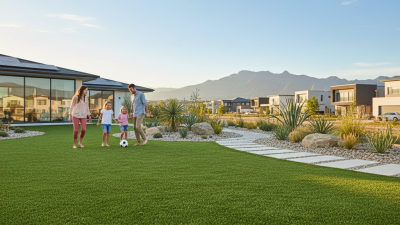
In urban landscapes, artificial grasses contribute to green spaces without the extensive upkeep. They find applications in residential yards, playgrounds, and sports fields. Despite their advantages, some critics raise concerns about long-term sustainability and disposal issues. Balancing benefits with potential downsides is crucial for both consumers and communities. Exploring the top benefits of artificial grasses can help clarify their role in modern landscaping and outdoor sports.
Advantages of Low Maintenance for Artificial Grasses
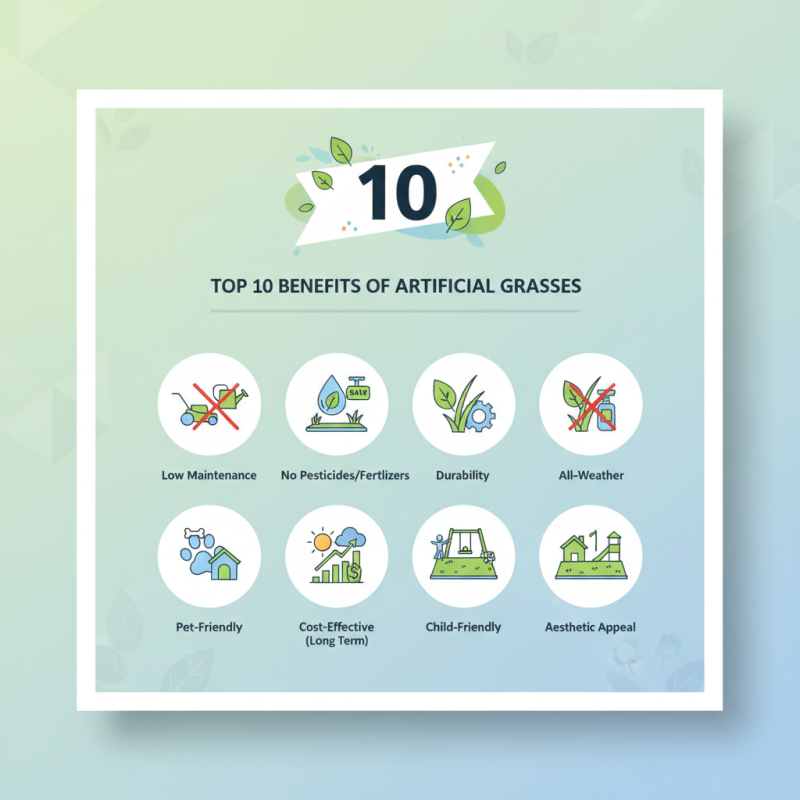
Artificial grasses are gaining popularity for their low maintenance benefits. Homeowners appreciate the time and effort saved in yard care. Unlike natural grass, artificial versions don’t need mowing, watering, or fertilizing. This makes them ideal for busy individuals and families.
The vibrant green look of artificial grass stays uniform throughout the year. You don’t have to worry about seasonal changes affecting its appearance. However, some people might miss the natural feel of real grass under their feet. Additionally, it can heat up in the sun, which may be uncomfortable on hot days.
Cleaning artificial grass is simple, yet some aspects require attention. Debris like leaves and dirt can accumulate over time. A quick rinse with water usually does the trick, but neglecting it may lead to unwanted odors. Maintenance is necessary, but it is significantly less demanding than caring for natural grass. Balancing convenience with upkeep is something to consider when choosing artificial options.
Cost-Effective Versus Natural Grass Over Time
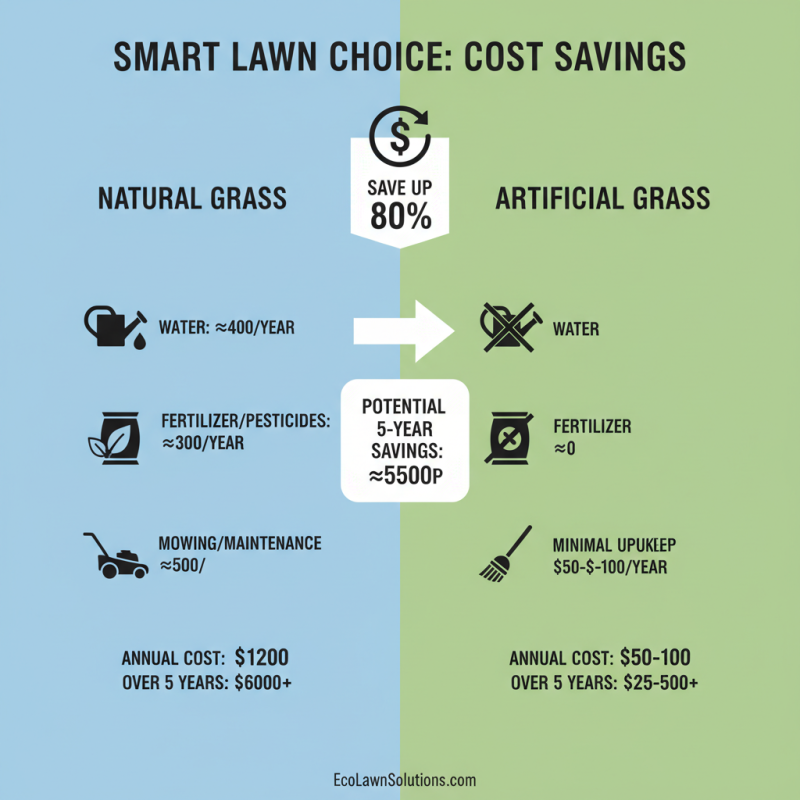
Artificial grass is becoming a popular choice for both residential and commercial spaces. One of the most important factors is its cost-effectiveness. Over time, artificial grass can save homeowners a significant amount of money compared to natural grass. According to industry reports, maintaining a natural lawn can cost around $1,200 annually when considering water, fertilizer, and mowing expenses. In contrast, artificial grass requires minimal upkeep, often resulting in savings of up to 80% over the years.
Moreover, natural grass needs regular watering. In some regions, water bills can skyrocket, especially during dry seasons. On the other hand, artificial turf eliminates this expense entirely. Many reports highlight that a yard with artificial grass can reduce water consumption by up to 50 gallons per square foot each year. This not only saves money but also helps conserve precious resources.
Tip: Consider the initial installation cost of artificial grass. It may seem high, but the long-term savings from maintenance, watering, and fertilizers can outweigh the starting investment. Evaluate your long-term needs before making a decision. However, be aware that not all artificial grasses are created equal, and some may require replacement sooner than others. Choose wisely.
Environmental Benefits: Water Conservation and Pesticide Reduction
Artificial grass presents notable environmental benefits, particularly in water conservation. According to the Turfgrass Water Conservation Alliance, natural lawns can consume up to 56 inches of water annually. In contrast, synthetic turf requires no irrigation. This can result in significant water savings, especially in arid regions. With California facing severe drought conditions, the reduction in water usage is essential for sustainability.
Additionally, artificial grasses eliminate the need for pesticides. The National Pesticide Information Retrieval System reports that over 900 million pounds of pesticides are applied on lawns each year in the U.S. These chemicals can harm local ecosystems and human health. Synthetic turf does not require these harmful products. The reduction of chemical inputs creates a healthier environment. Nevertheless, it raises questions about the long-term impact of synthetic materials in our ecosystems.
While artificial grass offers impressive benefits in conserving water and reducing pesticide use, it is important to consider potential drawbacks. Microplastics from synthetic turf could potentially enter soil and waterways. Ongoing research is needed to address these environmental concerns. The balance between convenience and ecological responsibility remains an area that requires further thought.
Enhanced Durability and Longevity of Artificial Grass Products
Artificial grass has gained popularity due to its enhanced durability and longevity. Studies show that quality synthetic turf can last over 15 years with proper maintenance. In contrast, natural grass requires constant care, leading to higher costs.
A report by the Synthetic Turf Council states that artificial grass can withstand heavy foot traffic and extreme weather conditions. This resilience makes it ideal for sports fields and playgrounds. The maintenance time becomes significantly less, allowing users to enjoy their spaces more. However, some may argue that its initial installation cost is higher than natural options.
Environmental concerns are also noteworthy. Artificial grass doesn't need watering or fertilizers, reducing water consumption by up to 55 gallons per square foot annually. Yet, some still question the sustainability of its materials. Understanding these pros and cons can help consumers make informed decisions about landscaping solutions.
Top 10 Benefits of Artificial Grasses You Should Know
| Benefit |
Description |
Estimated Longevity (Years) |
| Enhanced Durability |
Artificial grasses are designed to withstand heavy foot traffic and adverse weather without degrading. |
10-15 |
| Low Maintenance |
Requires minimal upkeep compared to natural grass, reducing the need for mowing, watering, and fertilizing. |
15+ |
| Water Conservation |
Significantly less water is needed for artificial grass, contributing to environmental conservation. |
N/A |
| Consistent Appearance |
Stays green and lush all year round, providing consistent beauty without seasonal changes. |
10-20 |
| Safe for Children and Pets |
Non-toxic materials used in artificial grass ensure safety for kids and pets alike. |
15+ |
| UV Resistance |
Engineered to prevent fading from UV rays, maintaining color intensity over time. |
10-15 |
| Pest Resistance |
Not a habitat for insects or other pests, reducing the need for pesticides. |
N/A |
| Versatile Applications |
Ideal for various settings, including residential lawns, commercial properties, and sports fields. |
10-20 |
| Cost Efficiency |
While the initial investment may be higher, long-term savings on maintenance and water costs are significant. |
N/A |
| Eco-Friendly Options |
Many artificial grasses are made from recycled materials and are fully recyclable at end-of-life. |
15+ |
Improved All-Weather Performance for Outdoor Spaces
Artificial grasses have become increasingly popular for outdoor spaces. One of the main reasons is their improved all-weather performance. Unlike natural grass, artificial turf remains intact in various weather conditions. Rain or shine, it provides a consistent surface for activities. This reliability is especially valuable for homeowners and business operators.
Statistics show that synthetic grass can drain water effectively, reducing puddles. Reports indicate that artificial turf can handle up to 30 inches of rainfall per hour. This is significant for areas prone to heavy rain. Moreover, it requires less maintenance in extreme weather. A study found that 60% of users appreciated the reduced upkeep during winter months. They noticed fewer issues compared to natural grass.
However, it is essential to consider the long-term implications. While the initial investment may seem high, the durability of synthetic grass can offset these costs. Not all artificial grass is created equal. Some may fade or wear down faster than expected, leading to potential repairs. A thoughtful selection process is crucial. Ultimately, assessing the benefits against potential drawbacks can lead to informed decisions for outdoor spaces.