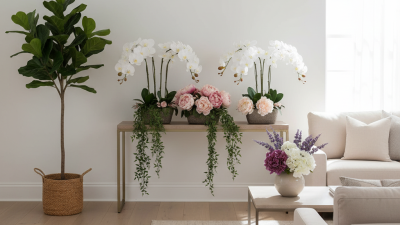
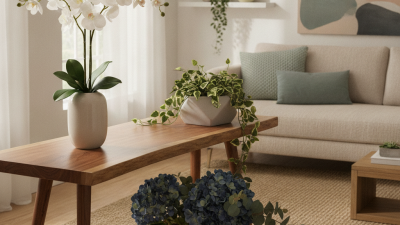
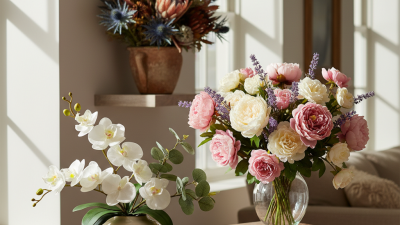
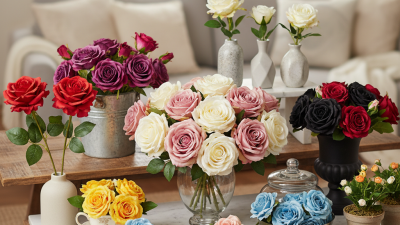
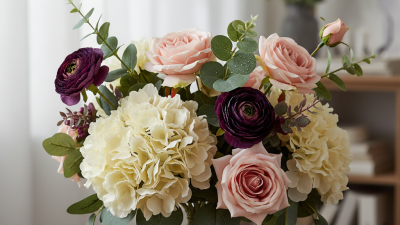
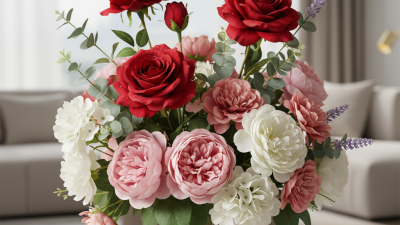
Top Tips for Choosing the Best Floral Silk Plants for Your Space?
When it comes to transforming your space, choosing the right Floral Silk Plants can make all the difference. As renowned interior designer, Laura Jenkins, states, "The right artificial plants elevate any room, adding beauty and life without the maintenance." Selecting these beautiful plants is not just about aesthetics. It’s also about understanding their impact on your environment.
Floral Silk Plants offer versatility and longevity. They work in various settings, from homes to offices. A well-chosen plant can enhance the mood and energy of a space. However, not all silk plants are created equal. Quality matters, as does the realism of the design. Consider factors such as size, color, and placement when making your selection.
It’s worth noting that while these plants are convenient, they lack the environmental benefits of live plants. Reflecting on this can help guide your choices. Balancing aesthetics and practicality is crucial in your decision-making process. Ultimately, the right Floral Silk Plants can beautifully complement your space, but careful consideration is a must.
Understanding the Benefits of Floral Silk Plants in Interior Design
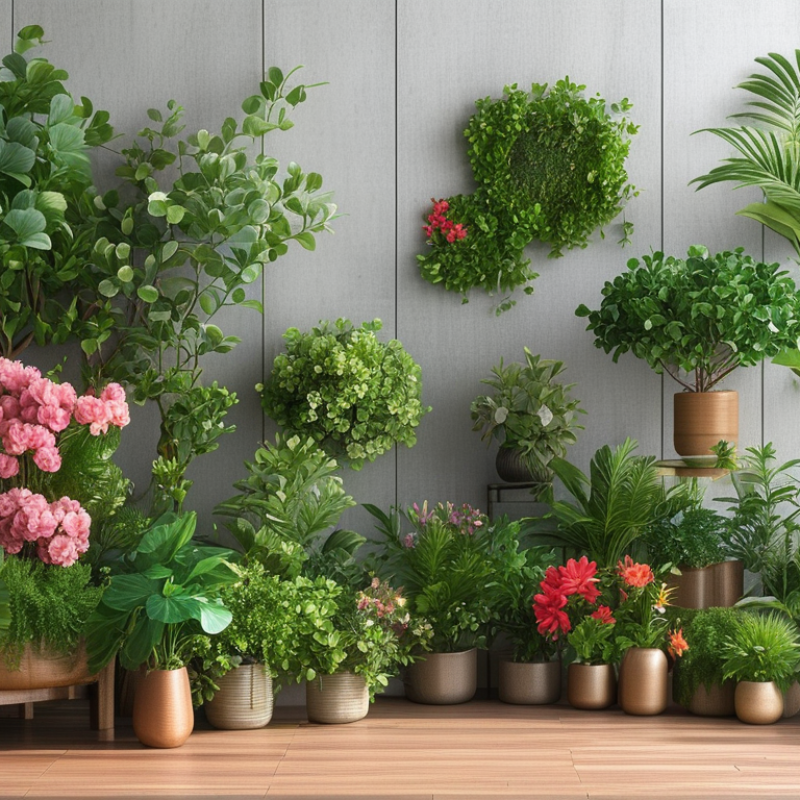
Floral silk plants have gained popularity in interior design for several reasons. They offer lasting beauty without the need for constant maintenance. Unlike real plants, they don’t require sunlight, making them ideal for spaces with limited natural light. This quality allows you to enhance any room’s aesthetic effortlessly. The vibrant colors and lifelike textures can truly mimic fresh blooms, adding warmth to the environment.
Incorporating floral silk plants can significantly improve the atmosphere of a space. They help to soften hard edges in a room, creating a more inviting look. Placing a silk plant on a table or in a corner can draw attention and balance the room. However, it’s essential to choose high-quality options to avoid a cheap appearance. Consider the arrangement; poorly designed pieces can detract from the overall feel of your decor.
While silk plants are a fantastic choice, it’s crucial to avoid overcrowding your space. An excessive amount can look messy, reducing their effective impact. Use floral silk plants as accent pieces. This approach ensures they enhance rather than overwhelm. Regularly reassess the arrangement and exchange plants to keep your decor fresh and engaging.
Top Tips for Choosing the Best Floral Silk Plants for Your Space
| Dimension |
Details |
| Material Quality |
Look for high-quality silk that mimics real flowers and foliage. |
| Color Selection |
Choose colors that complement your existing decor and create harmony. |
| Size and Scale |
Select plants that match the scale of your space for a balanced look. |
| Maintenance Needs |
Consider plants that require minimal upkeep, ideal for busy lifestyles. |
| Placement |
Think about where the plant will be showcased—tabletops, corners, or shelves. |
| Budget |
Set a budget range to explore options that fit within your financial plan. |
| Realism |
Opt for lifelike designs and details that enhance the authentic feel. |
Assessing Your Space: Size, Light, and Style Considerations
When selecting floral silk plants, evaluating your space is crucial. Consider the size of your area first. A large room may benefit from tall arrangements, while smaller spaces suit compact or cascading designs. According to a report by the National Gardening Association, well-placed plants can enhance a room's aesthetics and make it feel more spacious.
Light levels also play a significant role. Natural light can create shadows and depth. In low-light areas, opt for vibrant silk plants. They add color without needing sunlight. Research indicates that brighter colors can uplift mood, while neutral tones promote calm.
Style matters too. Your decor should dictate the plant's design. For modern spaces, minimalist plants work best. In contrast, classic interiors may require more ornate arrangements. Choose pieces that blend seamlessly with your environment. Floral silk plants are versatile, yet not every choice complements every room. Pay attention to your space's character to make a thoughtful decision.
Types of Floral Silk Plants: A Guide to Popular Varieties
When selecting floral silk plants, it’s essential to understand the various types available. Additionally, knowing the aesthetics and functions of each variety will help you make the best choice for your space. Popular options include silk orchids, roses, and lilies. Each plant type brings its unique charm and can dramatically impact the look of a room. Silk orchids can add a touch of elegance with their exquisite petals. Roses, on the other hand, are timeless and versatile, suitable for both modern and traditional decor.
Beyond mere aesthetics, consider the practical aspects of these plants. For instance, silk plants require no watering or sunlight, making them ideal for individuals with busy lifestyles. While the maintenance is minimal, you still want to ensure they look authentic. Pay attention to details such as petal texture and color variations. Faux plants may sometimes appear overly polished, losing the beauty of nature. It’s worth reflecting on whether having a perfect-looking plant aligns with your decor goals.
Lastly, examine the size and placement of your floral silk plants. Some varieties may dominate a space, while others are better suited for smaller nooks. Finding the right balance between size and style is crucial in creating a harmonious environment. Embrace the trial-and-error process of decorating with these elements; sometimes, mistakes lead to the best discoveries in design.
Evaluating Quality: How to Identify High-Quality Silk Plants
When choosing high-quality silk plants, evaluating their craftsmanship is essential. Look for textures that mimic natural foliage closely. According to industry reports, silk plants should feel soft yet durable. The leaves should have subtle color variations, just like real plants. A common mistake is choosing overly shiny leaves, which often indicate lower quality.
Inspect the plant's structure. Sturdy stems and realistic branching lead to a more authentic look. High-quality silk plants often have weights in the base, enhancing stability. Check for wired stems, as these allow for flexible arrangement. Reports show that the realism of silk plants can raise perceived value by up to 30% in interior design spaces.
Consider the setting for your silk plants. Ensure they match your environment and color scheme. Too much uniformity may seem unnatural. A few contrasting textures can elevate the overall aesthetic. Pay attention to the lighting in the area. Subtle changes in natural light may expose flaws. Regularly revisiting your decor can help maintain harmony with your surroundings.
Maintenance Tips for Optimal Longevity of Floral Silk Plants
Maintaining floral silk plants is essential for keeping them looking fresh and vibrant. Start by dusting them regularly with a soft cloth. Over time, dust can accumulate, dulling their colors. A gentle wipe can bring back their brightness. For deeper cleaning, use mild soap and water. Avoid harsh chemicals, as they can damage the materials. Rinse thoroughly and let them air dry.
Placement matters too. Avoid direct sunlight, which can fade colors. Instead, choose a spot with indirect light. This helps to maintain their hue. If you notice any fading, consider rotating the plants occasionally. This simple act can ensure even exposure.
Lastly, inspect your silk plants for signs of wear. Check for frayed edges or bent stems. Addressing these imperfections helps to maintain their appearance. Consider experimenting with different arrangements. While they are low maintenance, rearranging can create a fresh look. It's all about finding balance—between care and creativity.