What is the Appeal of Artificial Plants in Home Decor?
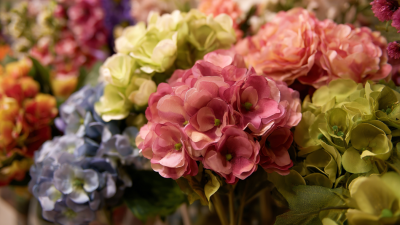
The charm of Artificial Plants in home decor is undeniable. They bring life to spaces without the ongoing demands of real plants. Many find joy in decorating with faux greenery. The vibrant colors of artificial plants can brighten up any room, enhancing its aesthetic appeal.
However, there are concerns regarding authenticity. Do these synthetic options truly capture the beauty of real plants? Some argue that they lack the natural essence. Yet, their convenience is hard to overlook. No need for watering or special lighting makes them appealing to busy individuals. People can enjoy greenery without feeling overwhelmed.
Moreover, artificial plants are long-lasting. They can endure seasonal changes and won't wilt. This durability can lead to a sense of stability in decor choices. Nevertheless, it raises the question of connection to nature. Do we lose something important by opting for the artificial over the living? The allure of artificial plants captivates many, but it invites deeper reflection on our choices in home decor.
The Rise of Artificial Plants in Home Decor: A Market Overview
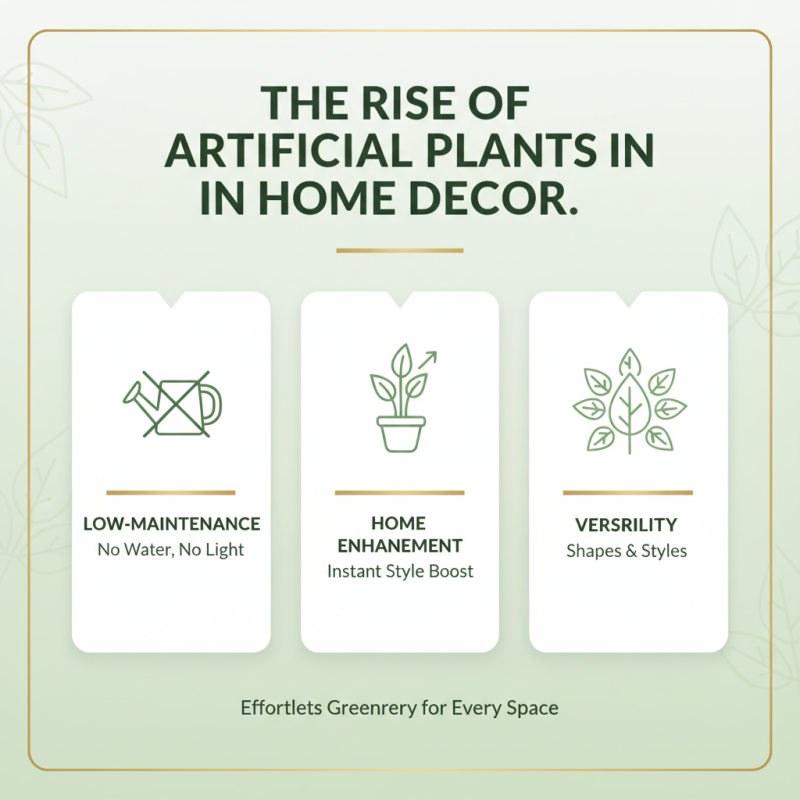
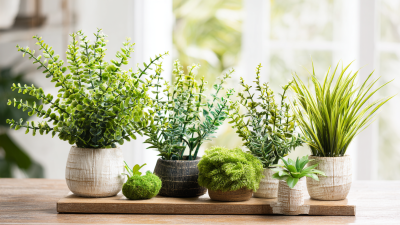
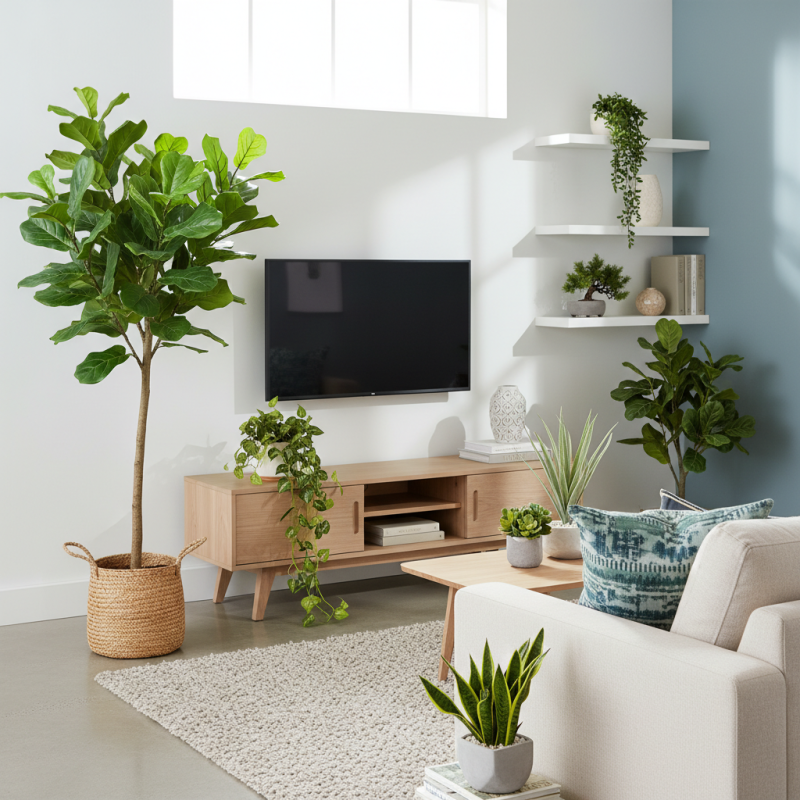
The rise of artificial plants in home decor reflects changing consumer preferences. People are looking for ways to enhance their spaces. Real plants require attention, light, and water. Many prefer the low-maintenance option of artificial greenery. These faux plants come in various shapes and styles, making them versatile for any decor.
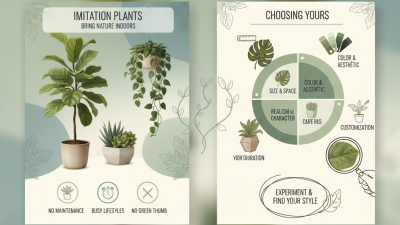
Tips: Choose plants that match your home’s aesthetic. A large fiddle leaf fig can become a striking centerpiece. Smaller succulents can add charm to a shelf or windowsill. Play with different textures and materials for added interest.
The market for artificial plants has expanded significantly. They are made with advanced materials, making them look realistic. However, some may still have an artificial look. Reflect on how these elements impact your decor choices. While convenient, artificial plants can lack the liveliness that real plants provide. Consider mixing a few real plants into your decor to bring in fresh energy.
Consumer Preferences: Why Artificial Plants Are Becoming Popular
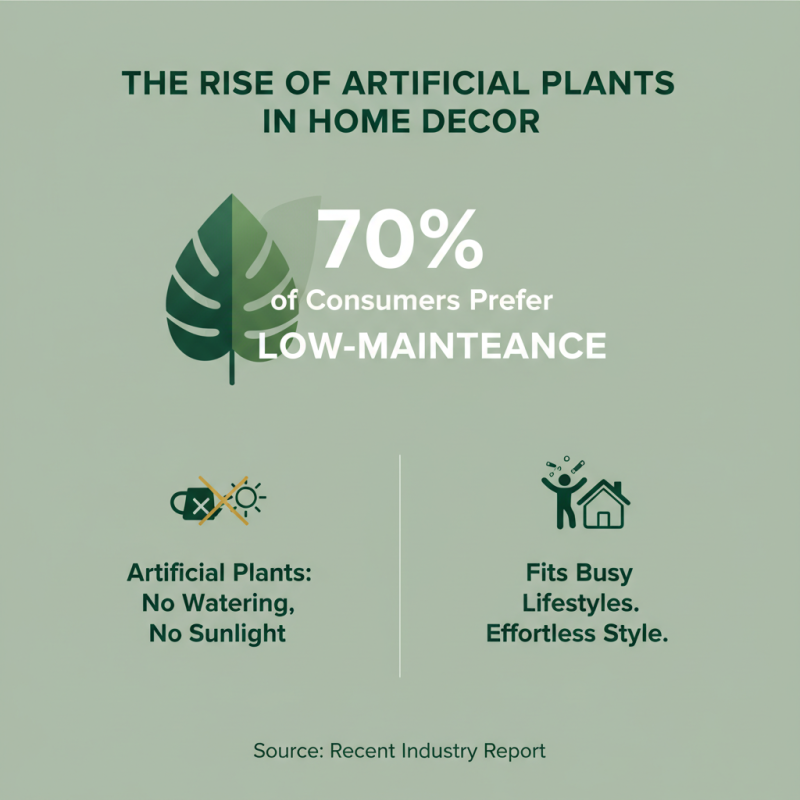
The rise of artificial plants in home decor reflects shifting consumer preferences. In fact, a recent report shows that 70% of consumers favor low-maintenance options for their homes. Artificial plants offer a solution. They fit seamlessly into busy lifestyles, requiring no watering or sunlight.
Moreover, shoppers appreciate the variety. From succulents to large ferns, the choices are endless. A study found that 45% of home decorators prefer artificial greenery for its versatility. However, the challenge lies in choosing realistic-looking designs. Consumers often express disappointment with cheap, plasticky options. Authenticity matters in this aesthetic journey.
Artificial plants also contribute to a sense of well-being. Interior designers note that greenery, even faux, can enhance mood and ambiance. About 60% of respondents in a survey felt happier with plants in their space. Still, there’s a lingering question: Do they replace the real thing? Many believe they can't replicate the vitality of living plants. This ambivalence encourages deeper thought about our decor choices.
Environmental Impact: Sustainability and Artificial Plant Production
Artificial plants have gained popularity in home decor for various reasons. Beyond aesthetics, there’s an underlying narrative about sustainability. The production of these plants often requires fewer resources than their natural counterparts. They don’t need water, sunlight, or fertilizers, reducing strain on the environment. Yet, there is a catch. The materials used, often plastics, have a significant carbon footprint.
Creating artificial plants involves processes that may harm the environment. Chemicals released during production can pollute the air and water. Disposal of these products presents challenges due to their non-biodegradable nature. Many end up in landfills, where they linger for years. This raises questions about the true sustainability of artificial options.
However, the convenience of artificial plants cannot be ignored. They offer long-lasting beauty without maintenance. Homeowners can effortlessly enhance their living spaces. Still, it’s worth pondering: are we sacrificing ecological responsibility for convenience? The allure of a clutter-free, green environment comes with hidden costs. Balancing practicality with environmental impact remains a complex issue for many homeowners.
Cost-Effectiveness: Comparing Artificial Plants to Real Plants
Artificial plants have gained popularity in home decor largely due to their cost-effectiveness. Unlike real plants, they do not require regular watering, sunlight, or specialized care. This makes them an attractive option for busy individuals or those who lack a green thumb. Moreover, the initial investment in artificial plants can often be lower than that of live plants when considering pots, soil, and ongoing maintenance costs.
However, one must consider the potential downside. While artificial plants may save money, they lack the genuine beauty and fragrance of real plants. Some individuals may find that it’s hard to recreate the lively atmosphere that living greenery brings. On the surface, artificial options seem appealing, but they may lead to a stale ambiance.
In a practical sense, many people are also troubled by the environmental impact of artificial materials. Fake plants are often made from plastic, which raises concerns about sustainability. The trade-off between convenience and eco-friendliness is worth reflecting on. The allure of a low-cost, low-maintenance plant might need a deeper evaluation when considering its role in our homes.
Maintenance and Longevity: Benefits of Choosing Artificial Over Real Plants
The allure of artificial plants in home decor lies in their maintenance and longevity. Unlike real plants, artificial varieties require minimal care. No watering or sunlight is needed. This makes them perfect for busy lifestyles. You can enjoy greenery without the added responsibility.
Consider these tips when choosing artificial plants. Select high-quality options that mimic the texture and color of real leaves. Look for UV-resistant materials if placing them in bright rooms. This will help them retain their vibrant appearance longer.
However, even artificial plants have their flaws. Dust can accumulate on the leaves. This can make them look less appealing over time. To keep them looking fresh, gently wipe them down with a damp cloth regularly. Recognizing this small nuisance helps maintain the aesthetic appeal. This attention to detail is crucial for achieving a lifelike appearance in your decor.
What is the Appeal of Artificial Plants in Home Decor? - Maintenance and Longevity: Benefits of Choosing Artificial Over Real Plants
| Dimension |
Artificial Plants |
Real Plants |
| Maintenance Level |
Low - No watering or pruning needed |
High - Requires regular care and attention |
| Lifespan |
Several years with proper care |
Limited; varies based on species and care |
| Allergy Friendly |
Yes, does not trigger allergies |
Can trigger allergies in sensitive individuals |
| Cost Over Time |
Generally lower; one-time purchase |
Higher; ongoing costs for soil, pots, and care |
| Aesthetic Variety |
Wide range of designs and styles |
Limited to what can grow in the environment |